
Overview
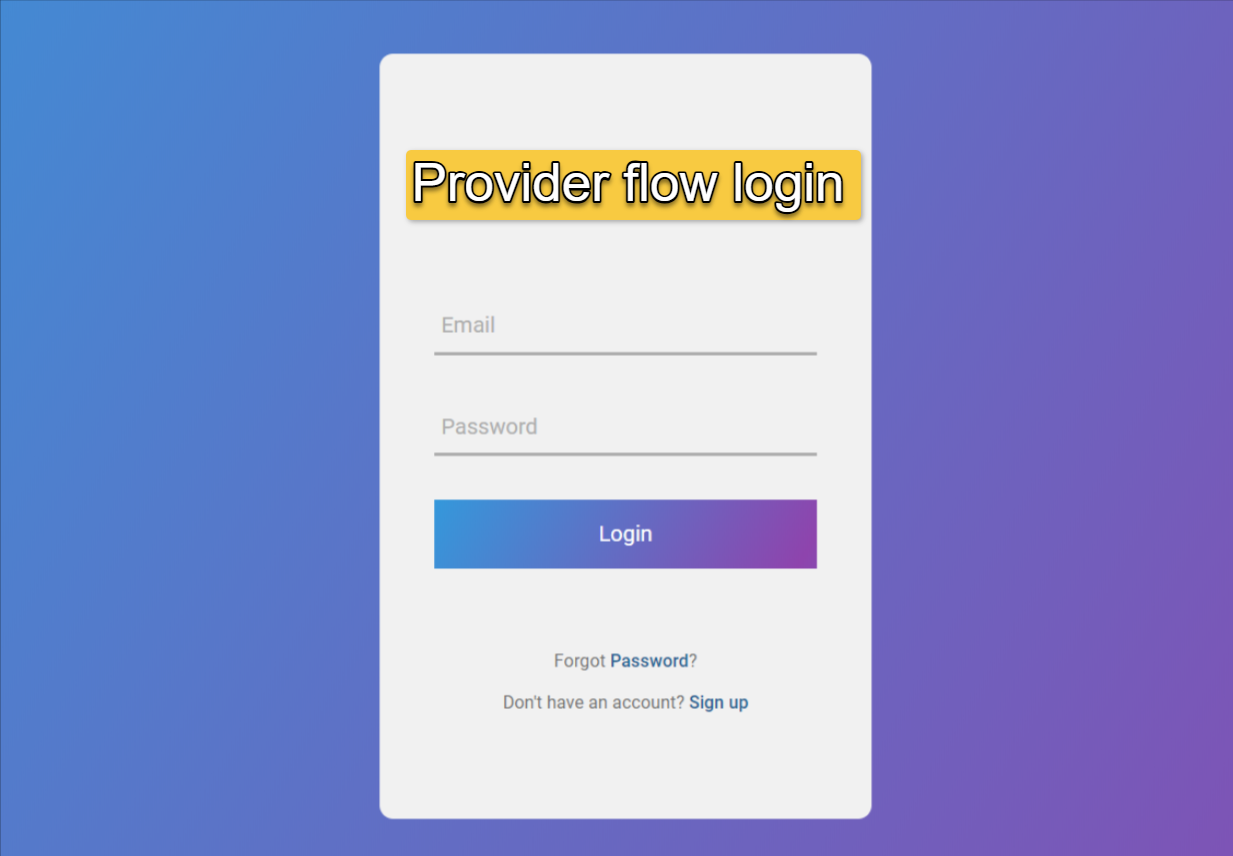
When referring to their portals, workflows, or API access paths, many organisations use the term “provider flow.” Provider flow login is explained in simple terms in this guide. You will learn how to locate the appropriate portal, safely log in, correct common mistakes, and maintain dependable access during staff changes, audits, and busy times.
Determine your portal
The phrase can refer to a variety of systems, including a technical identity flow with a federated provider, a general payer website, a health plan’s provider hub, or a healthcare records service. Verify the precise product and URL with your administrator, welcome email, or vendor documentation before attempting to log in.
Common destinations
| Purpose | Example path |
|---|---|
| Medical records release | providerflow.com portal |
| Health plan providers | plan’s website → Provider Login |
| Payer networks | uhcprovider.com, similar hubs |
| Corporate SSO | company identity page |
| API provider flow | app login with Google, Microsoft, or Auth0 |
Standard sign-in
Open the correct portal in a current browser. Before Sign in, need to enter the username and password. If the single sign-on is enabled, choose that option. Bookmark the page to speed repeats. When using shared stations, avoid browser autofill. A consistent routine makes provider flow login fast and predictable across shifts.
Initial access
Typically, a temporary password or invitation is sent to new users. Make a special password, include recovery information, and confirm the organization and time zone. Choose the best tenant at the top if you serve several clinics or clients. Permission mismatches are decreased and needless lockouts are avoided with a clean first provider flow login.
SSO and MFA
Multi-factor authentication is also a good idea, which should be turned on whenever feasible. Store backup codes in a secure way and have an authenticator application. Check before you start, whether your organization needs a VPN to be connected to the SSO. MFA takes minutes but thwarts the majority of takeovers. The practices are used to protect accounts and ensure reliability of provider flow logins in mobile phones, laptops and kiosks.
After login
Confirm your dashboard loads correctly. Check tasks, messages, and queues. For healthcare portals, verify eligibility, claims, or documents. For records tools, confirm request lists and fulfillment statuses. For API consoles, review keys and scopes. Proper checks right after provider flow login reduce rework, denials, and support tickets this week.
Troubleshooting
First, try these fixes:
- Verify your username and the portal’s URL.
- Try again after clearing the cache and updating the browser.
- Turn off extensions that block scripts or cookies.
- Test a managed device or a private window.
- Make use of the Forgot Password feature on the portal.
Security checklist
- Use unique passwords; rotate on schedule.
- Sign out on shared machines; lock unattended screens.
- Limit roles to the minimum needed; review quarterly.
- Avoid public Wi-Fi for admin tasks.
- Store no sensitive data in notes or screenshots.
FAQ
Q1. How do I find the right site?
Ans: Check onboarding emails or the company’s Provider Login link.
Q2. What if SSO fails offsite?
Ans: Connect VPN if policy requires it.
Q3. Why can’t I see tools?
Ans: Request the correct role.
Q4. No password email?
Ans: Check spam, resend, then retry slowly to avoid rate limits.
Leave a Reply